Meaning + Access · Updated August 23, 2026
Family Roles in a Wedding Ceremony
Give family members meaningful roles with clear boundaries.
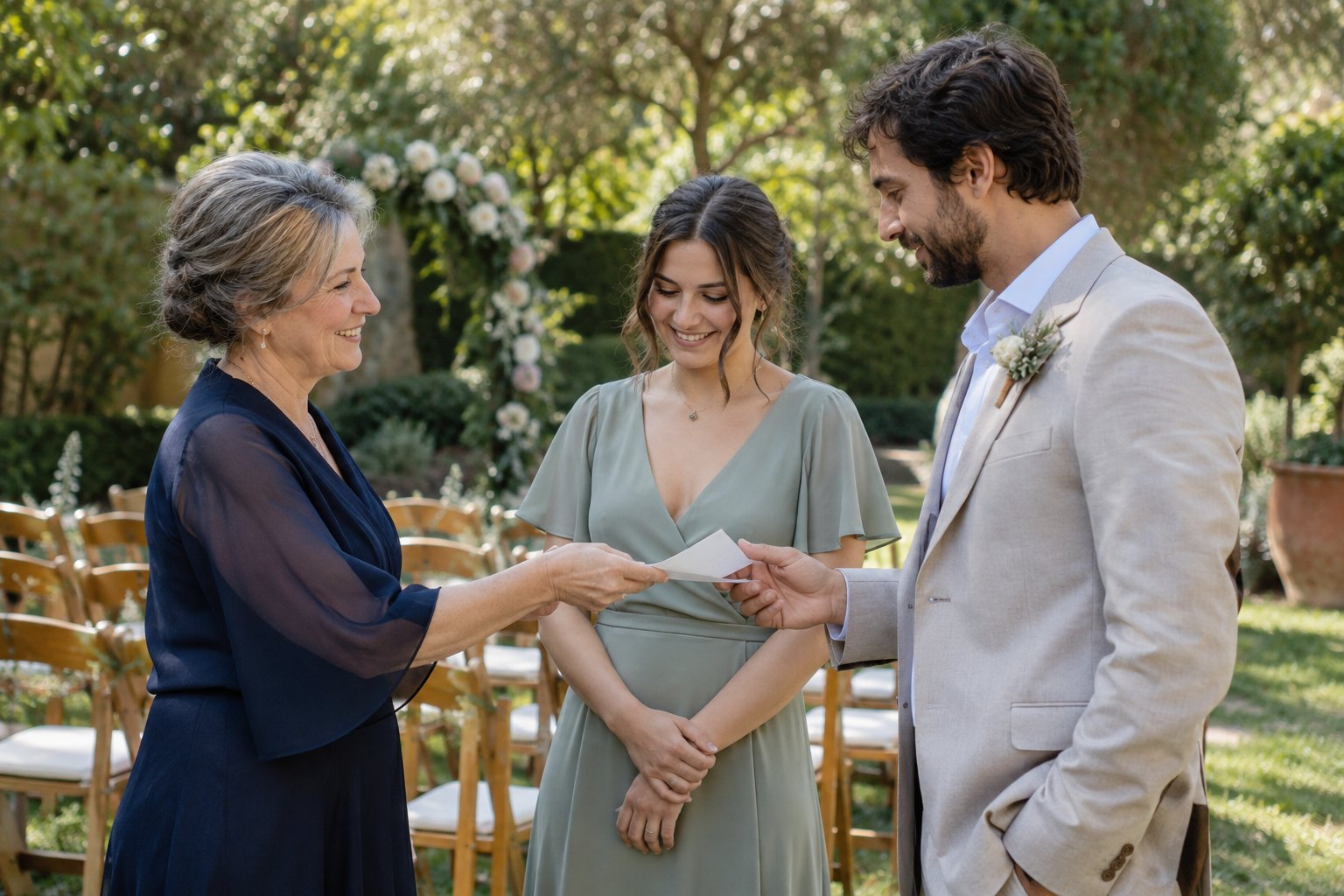
Start with a useful question
Give family members meaningful roles with clear boundaries. The Fieldbook treats every ceremony choice as one of four things: a requirement to check, a logistical dependency, a personal preference, or a custom that needs context. Keeping those labels visible prevents a checklist from becoming a script for someone else’s life.
Try naming what must be settled soon, what can wait, and who needs a real choice. Then place the answers into the Ceremony Decision Deck, where they become an editable draft rather than a fixed prescription.
Make the handoff explicit
A good ceremony brief gives each beat an owner: the couple, officiant, venue contact, reader, AV lead, or a trusted friend. It also records what needs a rehearsal. This is the core of the ceremony timeline approach and the handoff checklist.
Meaning note
Context comes before inclusion
A tradition, prayer, language, or ritual is not a decorative module. Ask who carries its meaning, who has authority to guide it, who should be involved, what may be adapted, and what should not be copied. When those answers are unclear, choose a different gesture or leave the space open.
Read the source and rights method before using a practice tied to a living community or faith.
Language is part of that question, and a household that uses two of them can plan the reading as carefully as the ritual: the choices are set out in words spoken in two languages.
From the desk
Notes on the desk
Next move
Put this into a rehearsal-ready brief.
The Decision Deck stores nothing by default. It turns the questions above into a local checklist, sequence, and vendor prompts.
Keep planning
Meaning + Access
Meaningful Wedding Ceremony Traditions
Make meaning with context, consent, and care.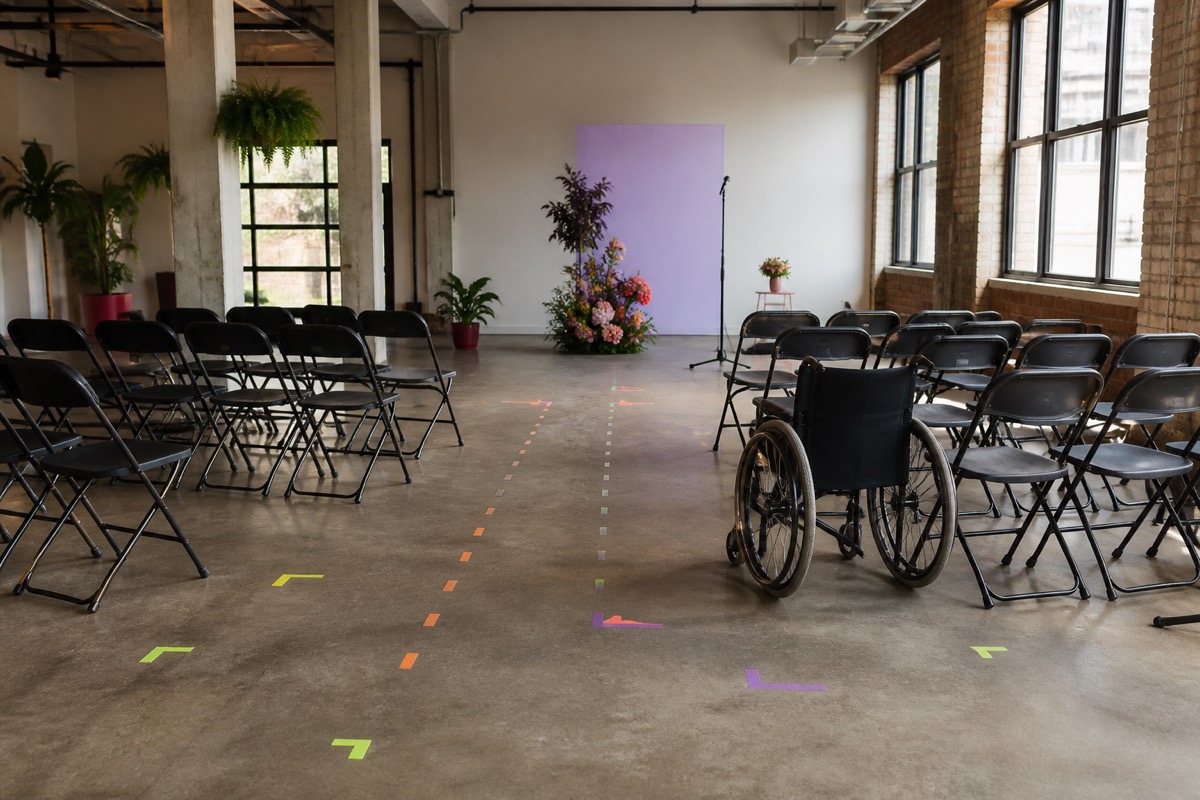
Meaning + Access
Accessible Wedding Ceremony Planning
Plan communication, movement, and sensory comfort early.
Meaning + Access
Gender Inclusive Wedding Language
Choose ceremony language that names the people present.
Meaning + Access